Surviving in hospitality is increasingly difficult as we continue to navigate a cost of living crisis, inflation and rising operating costs.
If you’re currently experiencing difficulties, you’re by no means alone. Right now in Great Britain, one in 10 restaurants are at imminent risk of folding. It’s no surprise that financial issues are the biggest threat to survival. Research suggests that around a fifth of restaurants are operating in the red, with thousands considered to be technically insolvent with maximum risk credit scores.
Facing cash flow issues can feel isolating but the reality is, thousands of other restaurants are in the same boat. Read on to discover some of the common cash flow problems that every restaurant business faces – and the steps you can take to overcome them and get back to focusing on what you love most… the food!
Problem: Slow footfall and seasonal inconsistency
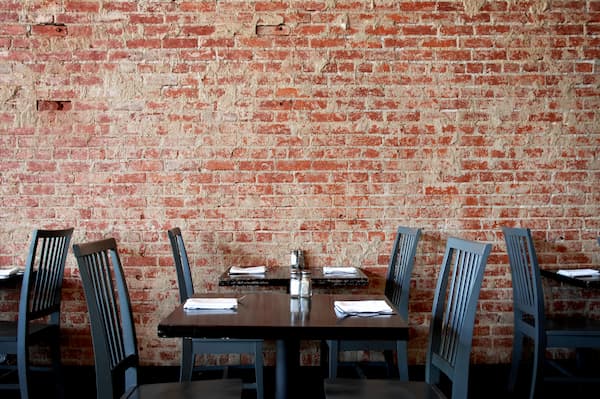
For many households, eating out has become an occasional luxury. A growing number of people are dining out less frequently or spending less on meals out. Instead, they’re opting to save money by preparing their own food at home. This has put many a restaurateur in a tricky situation, with everyone from Michelin-starred chefs and MasterChef winners to the casual dining sector struggling to stay afloat.
Another inherent challenge for restaurants is that things like the weather, the time of year and other events can all have an impact on how busy (or not) a venue is on any given day. The seasons have a huge impact too, with the run-up to Christmas typically busy and summer buoyant but pockets of slow trade during other periods.
These fluctuations can be hard to predict and make traditional sales forecasting difficult.
Solution: Forecast where possible, plan ahead and get creative
You’ll need to be flexible and prepared to ride out seasonal peaks and trough by planning ahead and being creative. Easier said than done, of course. Seasonal variations are hard to predict but you may be able to get some idea by studying previous sales data. A year-by-year comparison could give you a starting point to inform key decision making, such as how much inventory you’ll need and how many staff.
You could also consider additional sales channels and marketing tactics to help you ride out the slower periods. Offering meal deals, bundles, holding theme nights, and offering special events such as live music, guest chef collaborations or cooking classes could all entice customers back to dine in. You could also offer a discount code to perk up sales, launch a loyalty scheme or even partner with a local media outlet to offer a special deal. If you don’t offer take away, that could also help to generate additional revenue during slower months. Likewise, if you don’t offer catering services.
Problem: Unexpected maintenance costs

A commercial kitchen relies heavily on its equipment to function but if one appliance breaks down unexpectedly and you don’t have a lot of cash in reserve, your cash flow could take a real battering.
Unexpected repair, maintenance or replacement costs can quickly derail your restaurant business and leave you short of cash for other vital operations.
Solution: Alternative finance
There’s no easy fix if this does happen and you’re short of cash. Your immediate concern will simply be to get your equipment operational again so you can continue to serve your customers. An alternative finance provider can be your lifeline in this situation. Our working capital loans for example can give you a fast injection of cash when you need it most, with funds available within just a few days.
Once you’ve moved past the immediate crisis, it’s worth considering your maintenance schedule and asking yourself if it’s time to invest in newer, more efficient equipment to reduce running and maintenance costs in the medium term.
Problem: Food waste
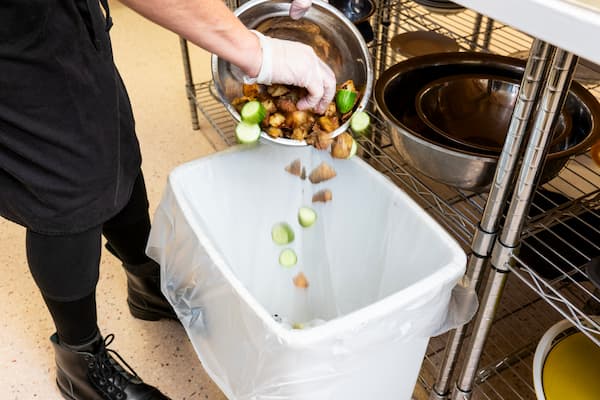
Food waste is on ongoing battle for restaurants and hospitality venues across the country. It’s an area that many creative chefs are turning their attention to and kitchens up and down the country are working hard to minimise this aspect of their cash flow issues.
That said, any unused stock represents money down the drain so any and all measures to mitigate against this issue are a positive step in the right direction.
Solution: Inventory management and creative kitchen skills
A carefully designed menu can be one of your biggest weapons in the fight against food waste, but an automated inventory management system is a huge help, too. Investing in a modern ePOS system which links your front and back of house is an additional expense but it’s one that can significantly streamline your operations once in place.
Problem: Rising payroll and operational costs
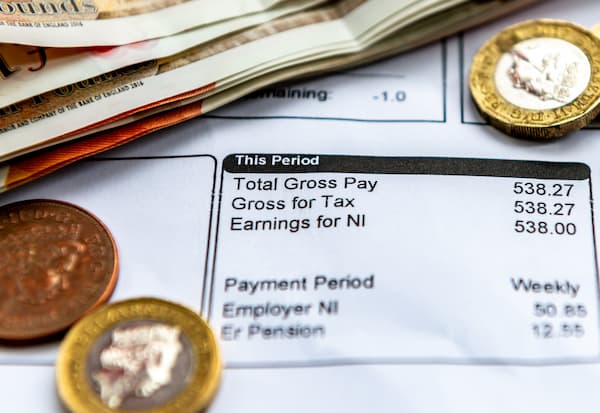
Labour costs are likely one of the biggest expenses you incur as a business and increases to National Insurance, the National Living Wage and National Minimum Wage only pile on the pressure.
Likewise, increases to operating costs such as gas and electricity, rent or supplier costs may stretch an already tight budget past its breaking point. This can feel like yet another blow, but there steps you can take to mitigate against these price rises.
Solution: Be flexible with payroll and shop around
Having to scale payroll up and down can be a real headache but taking on temporary staff for busier periods then scaling back during quieter parts of the year is one way to take back control and reduce unnecessary expenditure.
If supplier costs increase, try negotiating and then shopping around. Ditto for things like energy costs. A quick check on a price comparison site will tell you if you could get a better deal elsewhere.
We can help
We understand the unique cash flow challenges that every restaurant business faces and can help you move past those short falls and into a better space. When money pressures are keeping you awake at night and threatening the survival of your business, time is of the essence. That’s why we work quickly to get you the injection of capital you need. Send us an email or call our friendly team for a no-nonsense chat.